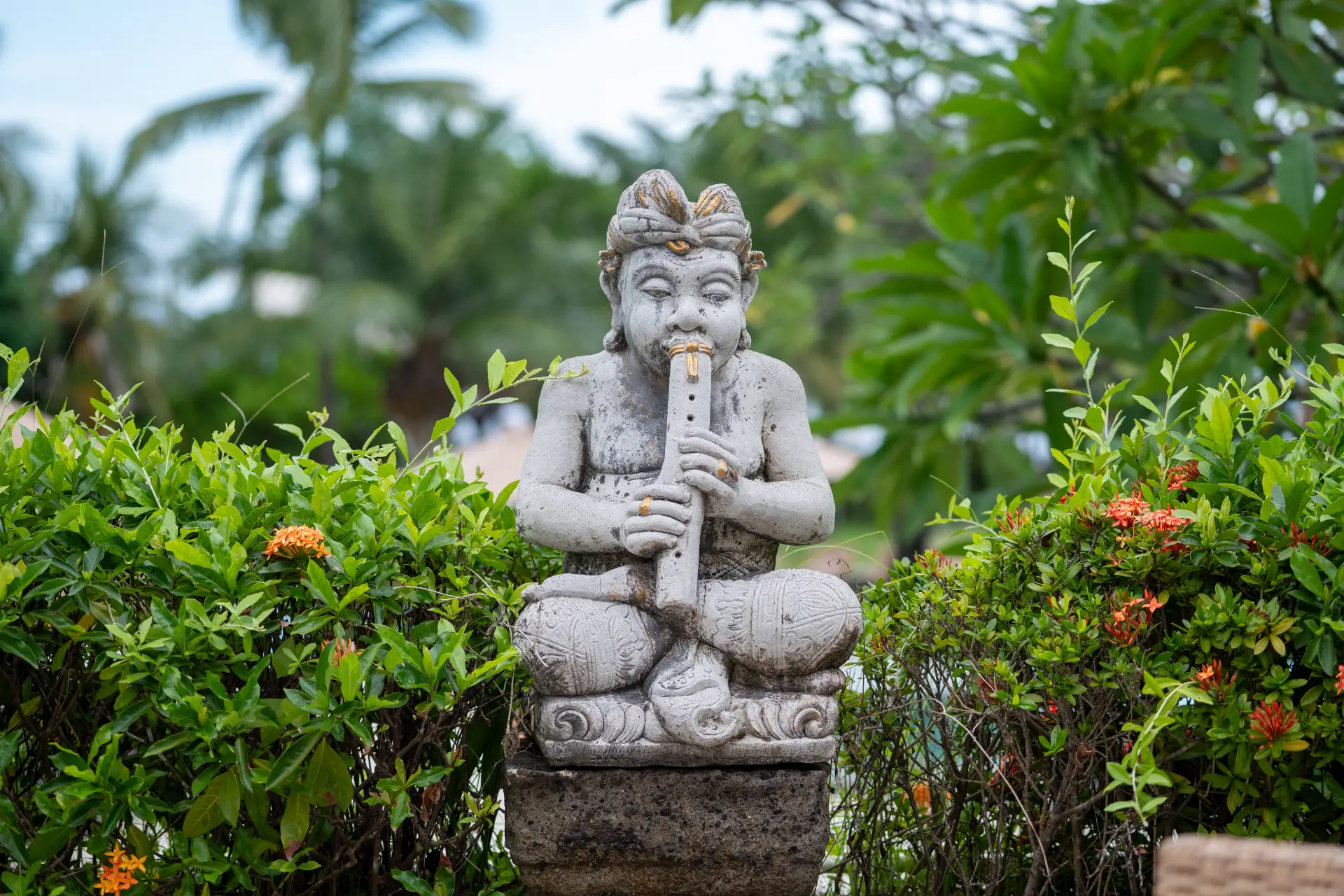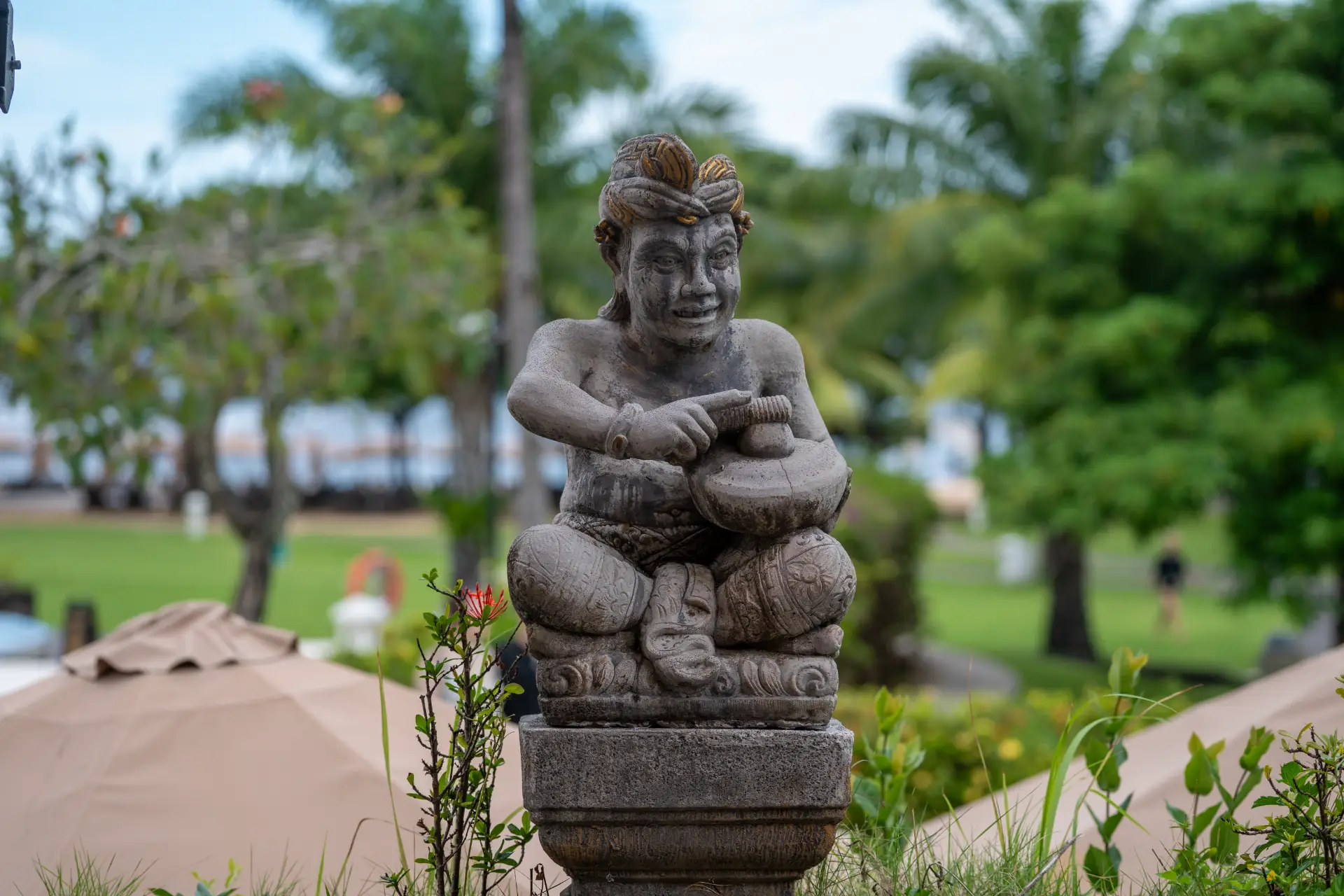
The representation of sculptures in the human form carries broad and profound meanings because human beings are highly complex, encompassing many aspects of existence. The meaning conveyed by such sculptures largely depends on who is being represented, as well as the cultural, religious, and philosophical context in which the sculpture exists. Human-form sculpture is one of the oldest and most universal forms of three-dimensional art in the world. In the field of art, this form is known by various technical terms, depending on which part of the human body is depicted. The following is a detailed explanation of the classification, functions, and materials of sculptures in the human form:
Table of Contents
A. Classification Based on Physical Form
- Bust Sculpture (Bust): Depicts only the head, neck, and upper chest or shoulders. It is commonly used to commemorate historical figures, national heroes, or other respected individuals.
- Torso Sculpture (Torso): Represents the body from the chest to the waist or hips, typically without the head or limbs (arms and legs). This form is frequently found in replicas of Classical Greek and Roman art.
- Full-Body Sculpture (Full-Body Statue/Statuette): Depicts the entire human body, from head to toe, in a complete form. The figure may be shown standing, sitting, or in motion.
- Portrait Sculpture (Portrait Statue): A sculpture created to closely resemble the facial features and body proportions of a specific real individual.
B. Style and Aesthetic Approaches
In creating human-form sculptures, artists or sculptors generally employ three main styles:
- Figurative/Realistic: Sculptures that accurately replicate the human form according to its natural anatomy. Examples include statues of national heroes and classical masterpieces created by renowned sculptors.
- Deformative: Sculptures that intentionally alter the original human form to achieve new aesthetic values or express particular meanings, while still remaining recognizable as human. For example, the figure may be elongated, enlarged, or stylized.
- Abstract/Semi-Abstract: A human form that is simplified to an extreme degree, leaving only the essential lines or silhouette of the body.
C. Primary Functions of Human-Form
Sculptures From ancient times to the modern era, human sculptures have been created for a variety of profound purposes:
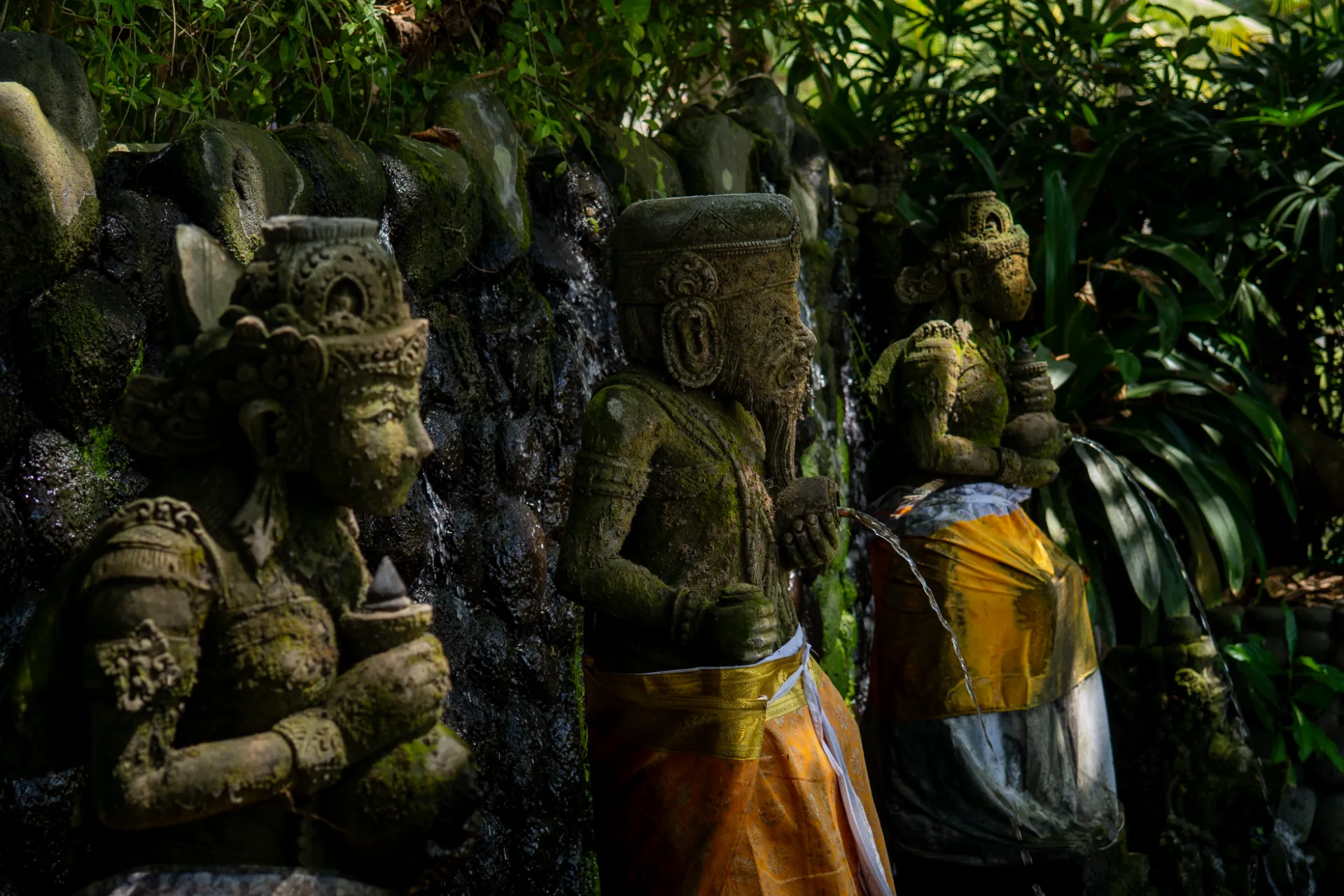
- Religious and Sacred Function: Used as a medium of worship, representations of gods and goddesses, tributes to ancestors (animistic beliefs), or symbols of spirituality.
- Monumental and Commemorative Function: Created to honor the contributions of historical figures, heroes, or significant events, ensuring they continue to be remembered by future generations.
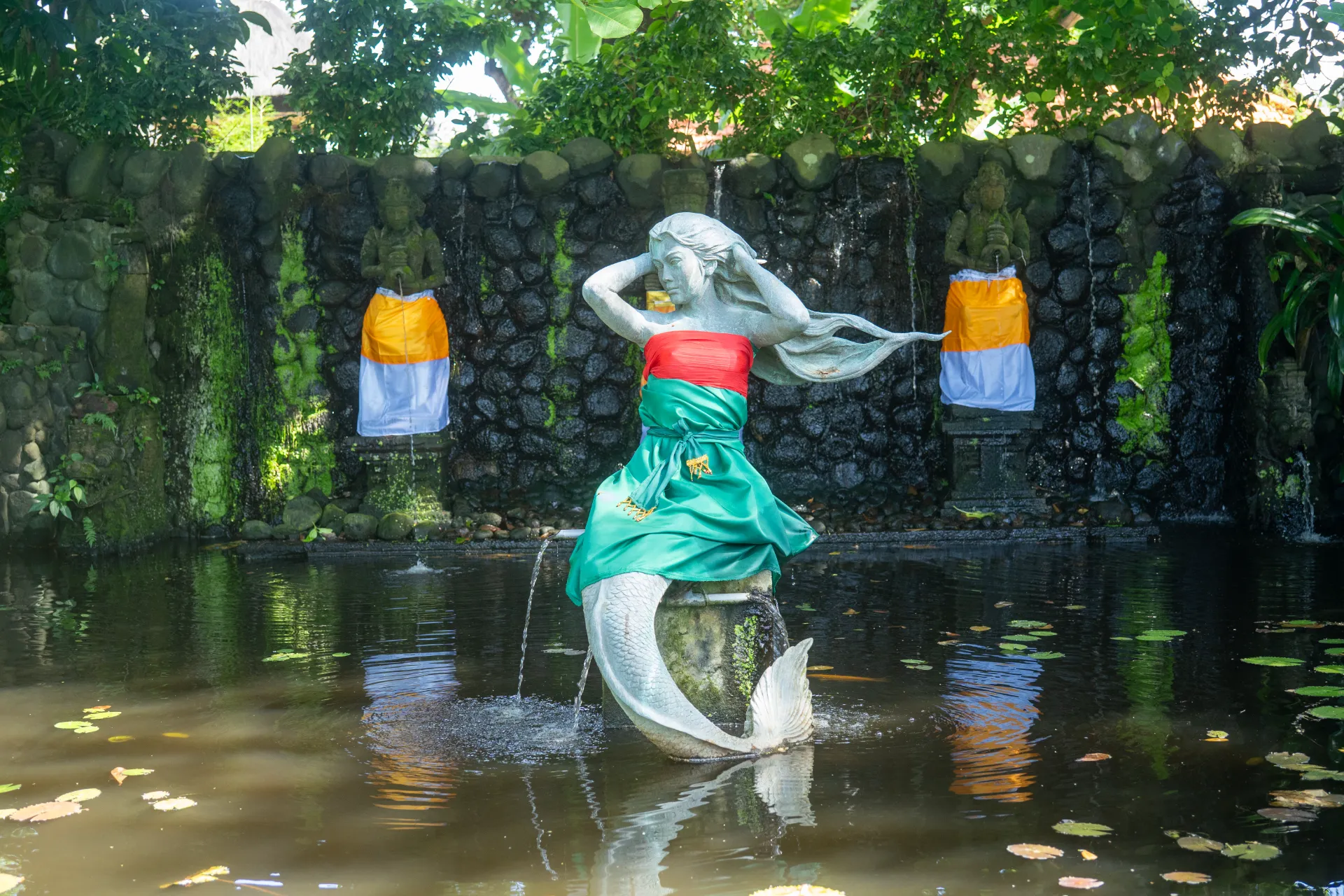
- Aesthetic and Decorative Function: Created purely for visual beauty, these sculptures are typically placed in gardens, museums, or public spaces as architectural and decorative elements.
D. Materials and Media Used in Sculpture
Human-form sculptures can be created using various techniques—such as carving, modeling, or casting and a wide range of materials, including:
- Stone (marble, andesite, granite): Valued for its durability and ability to withstand the passage of centuries.
- Metal (bronze, brass, copper): Commonly used for outdoor monuments due to its strength and weather resistance.
- Wood: Provides a warm, natural appearance and allows for intricate, organic carvings.
- Clay/Ceramic: Commonly used for creating preliminary models (maquettes) or contemporary works of art.
Sculpture in the Context of Fine Art and Decorative Display** When viewed in the context of fine art and decorative display, where aesthetics and visual beauty are the primary focus, the emphasis shifts from the sculpture’s functional role—such as ritualistic or religious purposes—to the way it interacts with its surrounding space and enhances the viewer’s visual experience. In interior design, landscape architecture, and gallery settings, human-form sculptures serve as a **focal point**, adding character, emotion, and a sense of movement and dynamism to a space. **Key Aspects of Human-Form Sculptures as Aesthetic Elements:
1. Types of Decorative Human-Form Sculptures
For decorative purposes, the size of human-form sculptures is generally proportioned to the scale of the space in which they are displayed. They can be categorized into the following types:
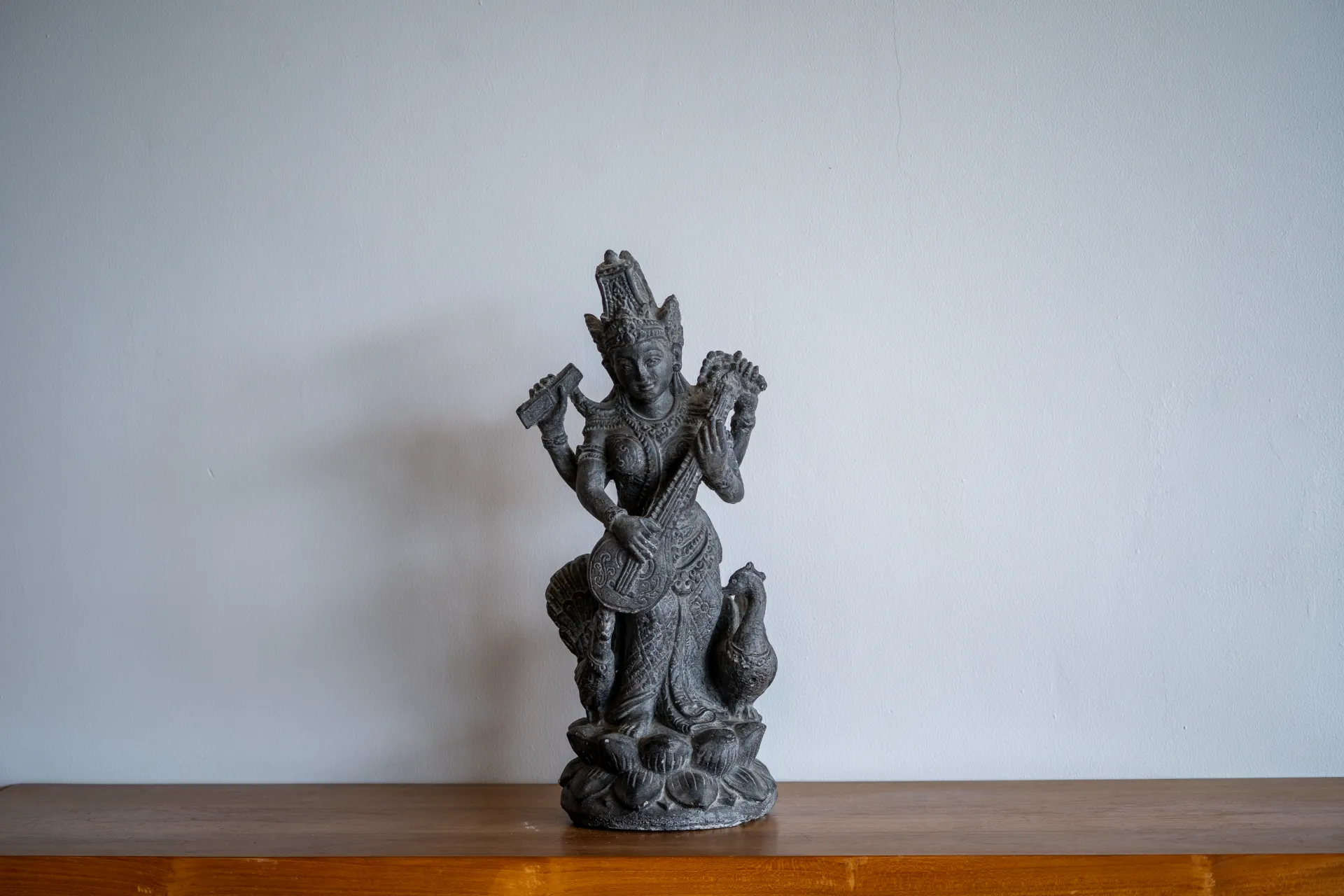
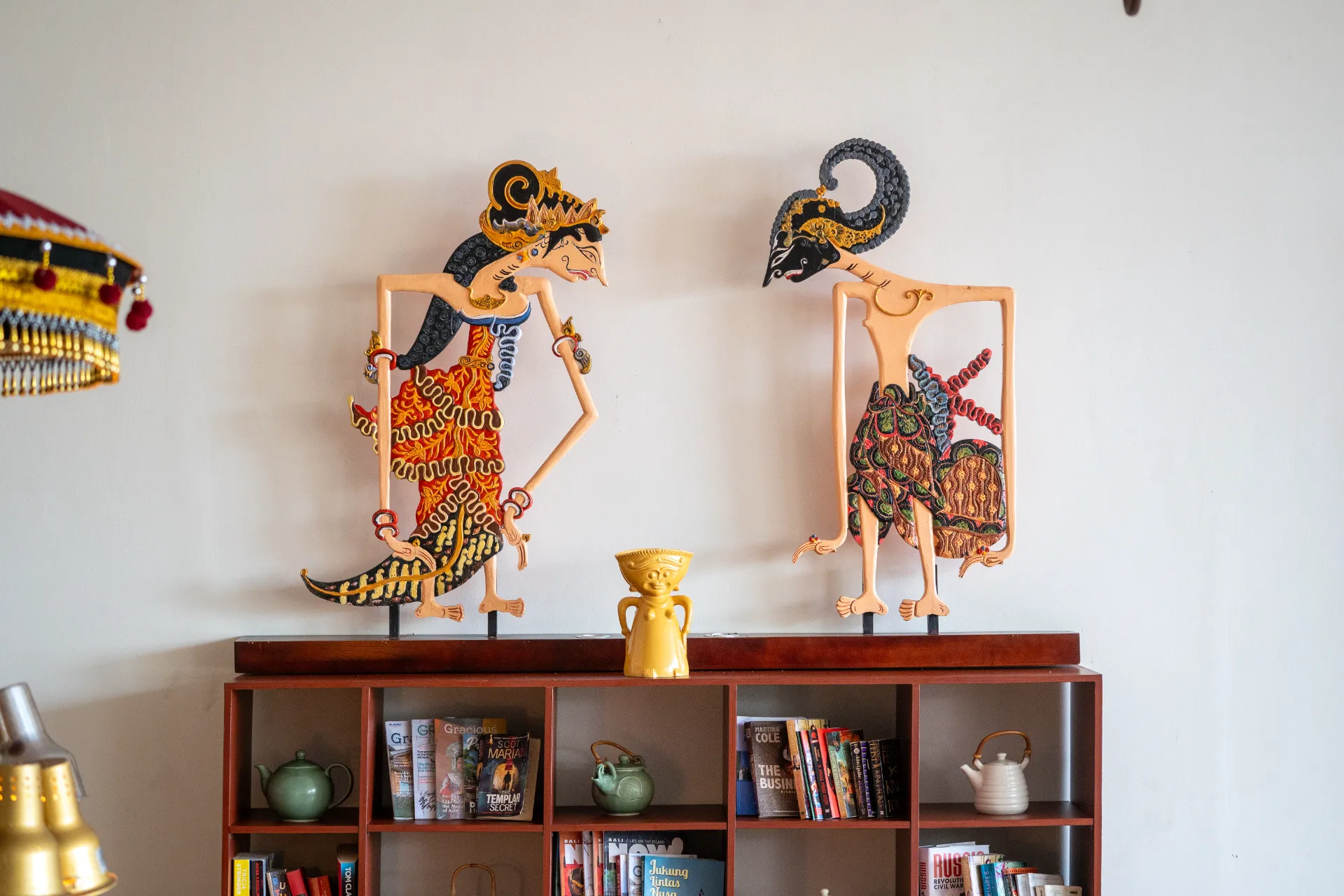
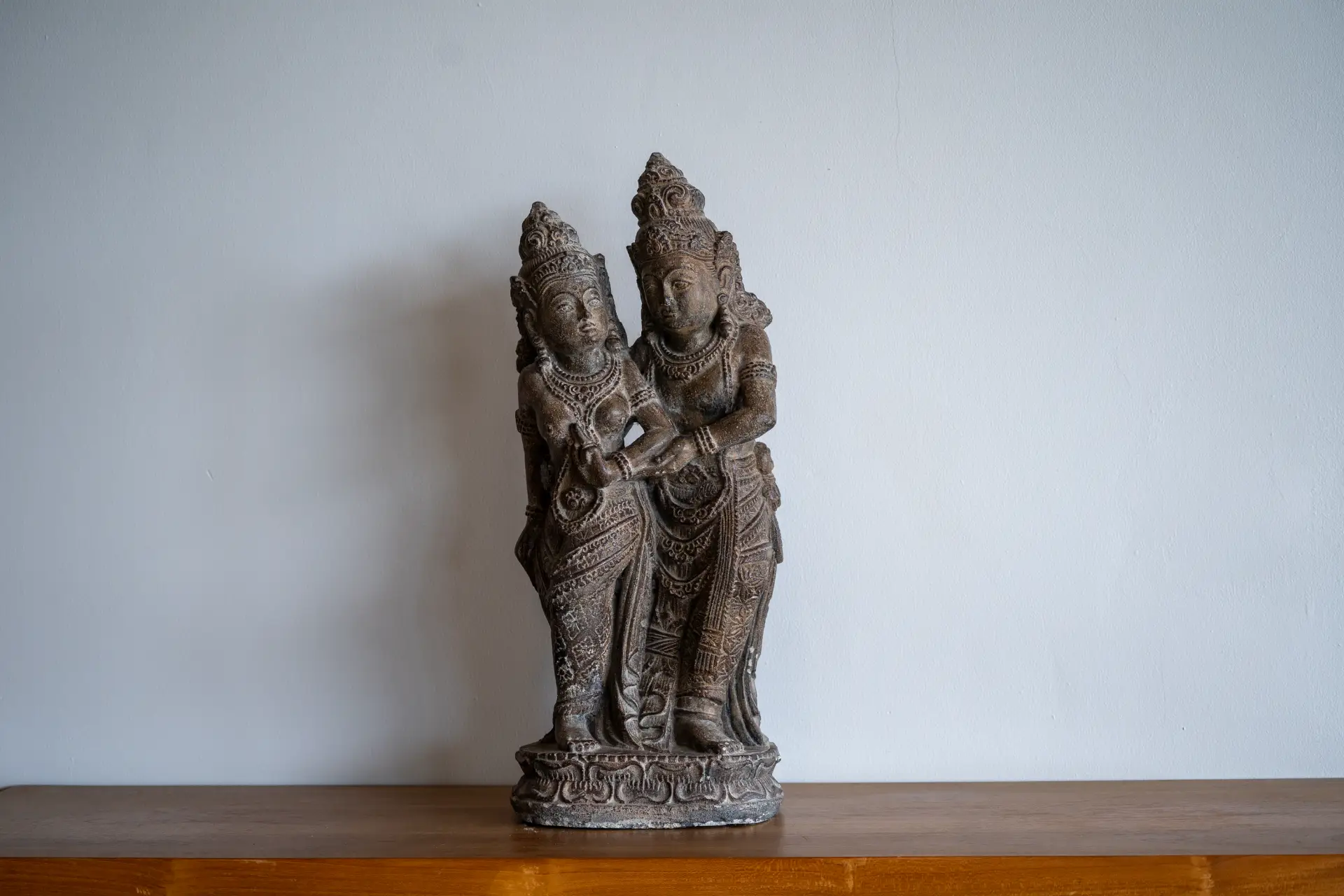
- Tabletop or Shelf Sculptures (Statuettes/Figurines) Small human-form sculptures, typically measuring between 15 cm and 50 cm in height, designed to be displayed on desks, buffets, console tables, or bookshelves. These sculptures emphasize fine craftsmanship, intricate details, and the natural beauty of the materials.
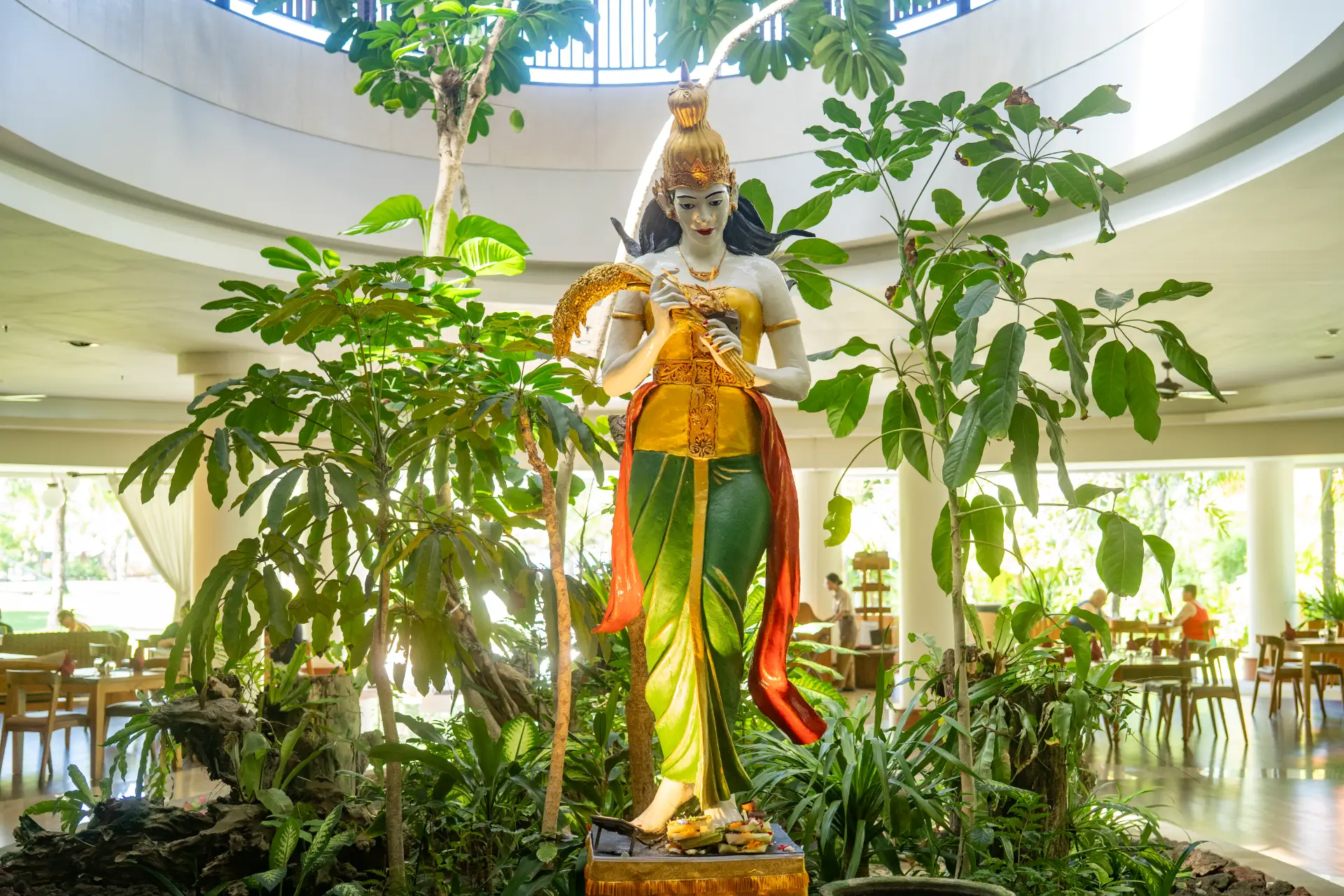
- Freestanding Sculptures (Floor Statues): Medium-sized to life-size sculptures placed directly on the floor in room corners, hotel lobbies, hallways, or other spacious areas. They create a striking visual impact and convey a strong sense of grandeur and artistic elegance.
- Wall Reliefs: Human-form sculptures that project from a flat surface, typically mounted on the walls of living rooms, galleries, or gardens to serve as decorative visual accents.
2. Popular Aesthetic Styles for Decorative Human-Form Sculptures
In modern decorative art, there are three principal styles of human-form sculptures that are most sought after for enhancing the aesthetic appeal of interior spaces:
- Classical/Renaissance Style: These sculptures depict the human body with idealized proportions, graceful posture, and anatomical perfection. Examples include replicas of Ancient Greek, Roman, or traditional Balinese sculptures. This style creates an atmosphere of luxury, elegance, and timeless sophistication.
- Contemporary/Modern Minimalist Style: These sculptures feature stylized human forms, such as faceless figures, sculptures with exaggerated body curves (deformative style), or figures portraying contemplative gestures, such as thinking, reading, or dancing. They are especially well suited to minimalist and industrial interior designs.
- Ethnic/Traditional Style: These sculptures portray human figures dressed in traditional attire or embodying distinctive cultural characteristics, such as traditional musicians, dancers, figures in ceremonial costume, or mythological characters. This style brings warmth, cultural storytelling, and an exotic sense of place to an interior.
3. The Role of Human-Form Sculptures in Spatial Aesthetics
Human-form sculptures are highly effective as decorative elements because they possess a strong emotional appeal and create an immediate human connection. Their role in enhancing the aesthetics of a space can be understood through several key aspects:
- Emotional Appeal (Human Connection): Psychologically, people are naturally drawn to objects that resemble the human form. Human sculptures can convey emotions such as serenity, elegance, strength, or romance, enriching the atmosphere of a space through their posture, gestures, and expressions.
- Play of Light and Shadow (Shadow Play): The contours of the human body create dynamic shadows when illuminated, adding depth and movement to a room. This interplay of light and shadow makes the space feel more vibrant and visually engaging.
- Textural Contrast: Sculptures crafted from smooth marble, polished bronze, or naturally grained wood provide a striking visual contrast to other materials within the space, such as concrete walls, fabric upholstery, or wooden furnishings. This contrast enhances the richness and sophistication of the overall interior design.
4. Human-Form Sculptures as Decorative Display
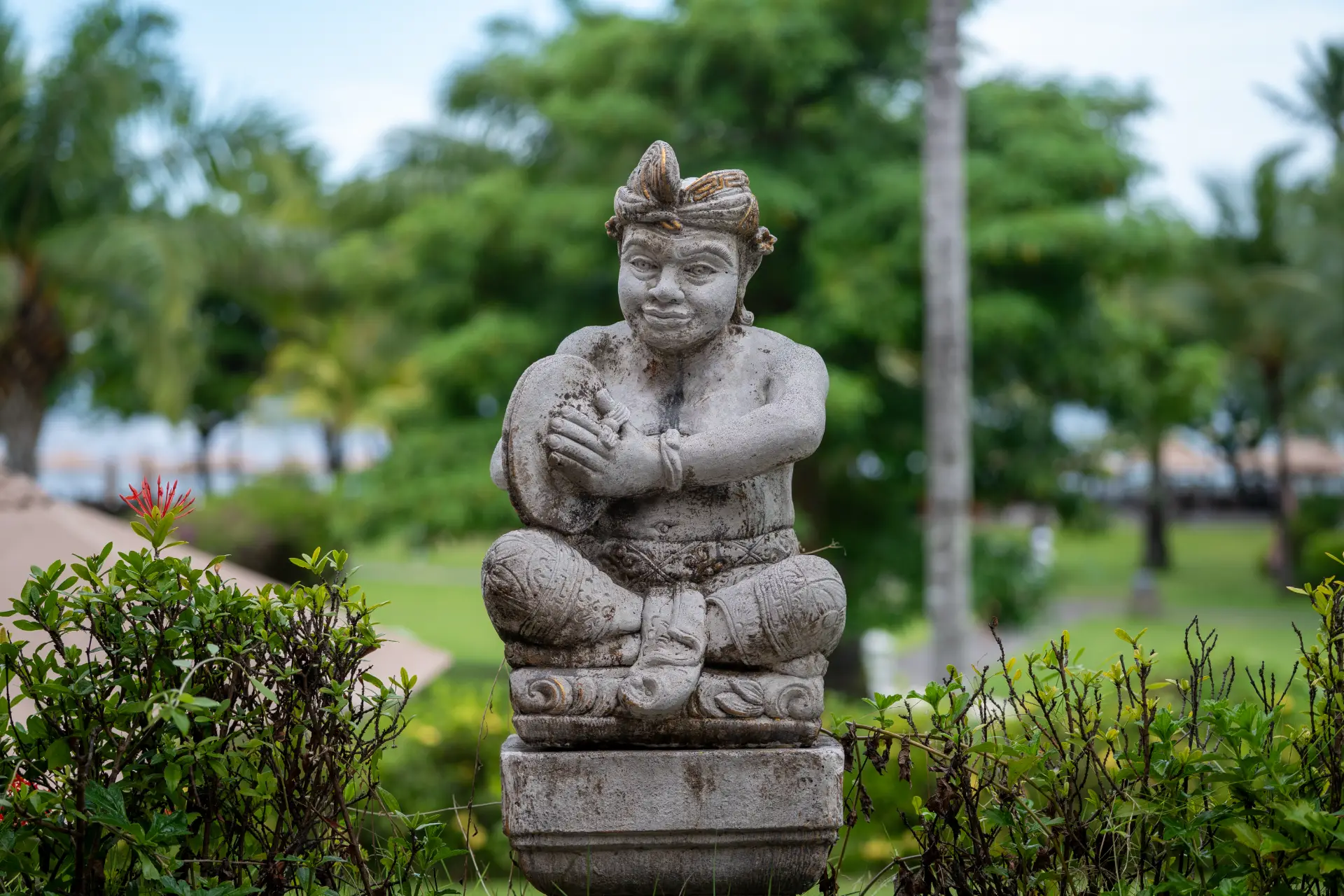
Human beings represented as sculptures of traditional performing arts musicians (karawitan players) such as kendang, suling, kemong, kajar, and cengceng—serve as expressions of aesthetic beauty. The human form makes it easier for people to empathize with and connect to the qualities and teachings represented by these figures. Human-form sculptures are used for various purposes such as artistic expression and beauty, remembering and honoring ancestors, and serving as a bridge between the present generation and the past. They symbolize strength, authority, courage, and excellence, functioning as representations of identity, pride, and historical achievement. Human-shaped sculptures can also serve as universal symbols of human potential, the capacity for both good and evil, and the complexity of emotions and thought. Some human-form sculptures, especially those depicting vulnerable figures, can serve as reminders of the limitations of life. This encourages self-reflection and contemplation about the meaning of life, its purpose, and the nature of existence.